What International Coworking Day Tells Us About the Future of Work
International Coworking Day 2026 arrived at a pivotal moment for the flex workspace industry. With 9,100+ U.S. locations and 6 million global members, the holiday is no longer niche. Here is what it signals about where work is headed.
Why International Coworking Day Matters More Than Ever
Every August 9, International Coworking Day celebrates the movement that transformed how millions of people work. What started in 2005 as a single experiment in a San Francisco collective has become a global industry spanning more than 41,000 locations worldwide. But in 2026, this holiday carries more weight than a simple anniversary. It marks the moment coworking stopped being an alternative and became the default for a growing share of the workforce.
This year, coworking operators across the country hosted week-long celebrations, offering free guest passes, community events, and open houses. The energy around the holiday reflects something bigger: coworking has graduated from a scrappy startup concept into core workplace infrastructure.
How Big Is the Coworking Industry in 2026?
The numbers tell a compelling story. The U.S. coworking market crossed 9,100 active locations in Q1 2026, up 3.2% from the previous quarter alone. Globally, approximately 41,000 coworking spaces serve an estimated 6 million members, nearly triple the count from just six years ago.
The market value has grown in step. The global coworking space market reached $30.12 billion in 2026, growing at a compound annual rate of 15%. The North American flex office segment alone is projected to nearly double from $14.9 billion in 2025 to $28.9 billion by 2030.
These are no longer niche numbers. Coworking now accounts for a meaningful share of total commercial office space, and the trajectory is steep.
What Has Changed About Who Uses Coworking?
The demographic profile of coworking members has shifted significantly. The average coworking member is now 38 years old, and women make up 46% of the coworking population. These numbers reflect the mainstreaming of flex workspace far beyond the freelancer and startup crowd that originally drove adoption.
Perhaps the most telling shift: 45% of coworking memberships are now employer-sponsored. Companies are footing the bill for their employees to work from flex spaces rather than commuting to a central headquarters. This single statistic captures the transformation. Coworking is no longer something people do instead of a "real" office. It is the office, funded and endorsed by the employer.
For HR teams and benefits administrators, this shift creates a meaningful opportunity. Platforms like ZentryPass make it straightforward for employers to provide coworking access as a workplace benefit, giving distributed teams professional workspace near where they actually live.
Why Are Employers Paying for Coworking?
The financial logic is straightforward. Companies save an estimated $11,000 to $13,000 per employee annually by using coworking spaces compared to traditional leases in major metro areas. Real estate consultancy data suggests coworking reduces overall real estate expenses by approximately 16%.
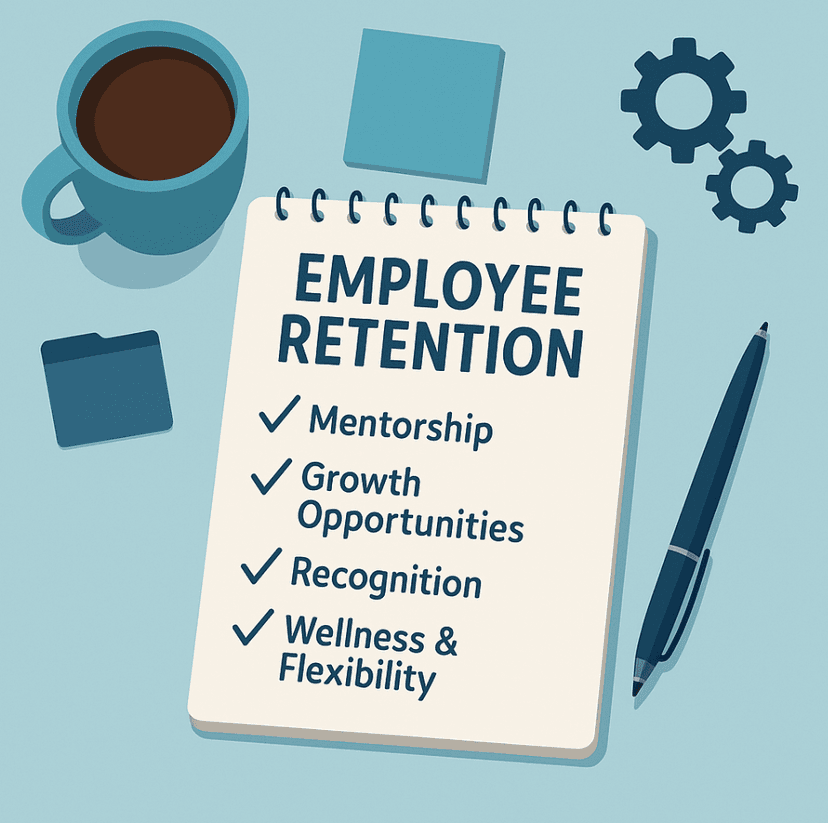
But cost savings alone do not explain the trend. Employers also report improvements in employee satisfaction and retention. Research shows 86% of coworking users report feeling less isolated compared to working from home. For companies navigating hybrid work arrangements, offering a coworking benefit addresses both the isolation problem and the flexibility demand without requiring a return-to-office mandate.
What Does International Coworking Day Mean for Space Operators?
For coworking operators, the holiday is more than a marketing opportunity. It is a reflection of market positioning. The operators hosting the most energetic celebrations are the ones investing in community, the differentiator that separates successful spaces from those competing purely on price.
Several trends stood out in this year's celebrations:
- Community-first programming: Operators hosted networking mixers, skill-sharing workshops, and collaborative events rather than simple open houses
- Guest pass campaigns: Many spaces offered free passes for the full week, letting members bring friends and colleagues to experience the space
- Cross-location events: Multi-site operators coordinated celebrations across their portfolios, reinforcing brand consistency and member belonging
- Wellness integration: Spaces incorporated mindfulness sessions, yoga, and wellness programming into their Coworking Day schedules
These activities reflect the broader industry shift toward hospitality-grade service. Coworking is no longer a real estate play. It is a hospitality business where experience, community, and service quality drive retention.
How Is Coworking Reshaping Local Economies?
The expansion of coworking into suburban and secondary markets (a trend accelerating throughout 2026) means the economic impact is spreading. When a coworking space opens in a suburban town center or a mid-tier city, it creates a ripple effect: nearby coffee shops, restaurants, and retail businesses benefit from the increased foot traffic.
More importantly, coworking enables knowledge workers to stay in their communities rather than commuting to distant business districts. This has implications for local tax bases, transportation infrastructure, and residential real estate values. The "third workplace" concept, where professionals work from a flex space near home rather than from a downtown office or their kitchen table, is reshaping urban planning conversations across the country.
For coworking operators in these emerging markets, the opportunity is substantial. Suburban coworking occupancy grew 25% year-over-year, outperforming traditional downtown business districts. The demand exists; operators who move early into underserved suburban and secondary markets are capturing outsized growth.
What Should SMBs Take Away from Coworking Day 2026?
Small and medium-sized businesses stand to gain the most from the coworking movement, yet many still operate on traditional lease models that limit their flexibility. Here is what SMB leaders should consider:
-
Audit your real estate costs. Compare your per-employee workspace costs against coworking alternatives in your market. The savings may be significant, particularly if you are locked into a long-term lease with unused capacity.
-
Explore coworking as an employee benefit. With 45% of memberships now employer-sponsored, offering coworking access is a competitive perk. It signals trust, flexibility, and a modern approach to work, all things top talent evaluates when choosing an employer.
-
Use coworking to test new markets. Before signing a lease in a new city, use a coworking membership to establish a presence. It is a low-risk way to validate demand and recruit local talent.
-
Prioritize community-oriented spaces. Not all coworking is equal. Spaces that invest in community programming, events, and member connections deliver more value than bare-bones desk rental. Look for operators that treat their space as a professional community, not just square footage.
How Can Remote Teams Benefit from Coworking Access?
Distributed teams face a persistent challenge: maintaining connection and collaboration without a shared office. Coworking solves this by giving remote employees a professional environment where they can focus, take meetings, and interact with other professionals.
For remote-first companies, providing coworking access through platforms like ZentryPass eliminates the need to manage individual space negotiations across multiple cities. Employees get access to professional workspace wherever they are, and the company gets predictable costs without long-term lease obligations.
Frequently Asked Questions
What is International Coworking Day?
International Coworking Day is observed annually on August 9. It celebrates the global coworking movement and recognizes the role that shared, flexible workspaces play in modern professional life. The holiday was established to mark the anniversary of the first formal coworking space, which opened in 2005.
How many coworking spaces exist in 2026?
As of Q1 2026, there are more than 9,100 active coworking locations in the United States and approximately 41,000 worldwide. The global coworking market is valued at $30.12 billion and growing at a 15% annual rate.
Are employers paying for coworking memberships?
Yes. Approximately 45% of coworking memberships are now employer-sponsored, making corporate adoption the fastest-growing segment in the coworking industry. Companies save $11,000 to $13,000 per employee annually compared to traditional office leases.
What is the average cost of a coworking membership?
The median coworking membership in 2026 is $220 per month. Day passes average $33, meeting rooms cost approximately $45 per hour, and virtual office packages run around $169 per month.
Looking Ahead
International Coworking Day 2026 is not just a celebration of how far the industry has come. It is a signal of where work is going. With employer sponsorship rising, suburban expansion accelerating, and the industry growing at double-digit rates, coworking is positioned as a permanent fixture of the professional landscape.
For SMBs, startups, and distributed teams, the question is no longer whether coworking is viable. It is whether you can afford to ignore it. The companies that embrace flexible workspace as a strategic advantage, rather than a temporary fix, will be better positioned to attract talent, control costs, and adapt to whatever the future of work brings next.
DeskSpatch Team
Hybrid Work Experts
DeskSpatch
Our team of experts provides insights on hybrid work, remote collaboration, and coworking space optimization for small and medium businesses.